Recent advancements in the automotive industry have significantly shifted focus toward electric vehicles (EVs), reflecting a broader global trend toward sustainable technology. As traditional automobile manufacturers pivot to incorporate electrification into their product lines, governmental support and policy incentives become increasingly crucial.
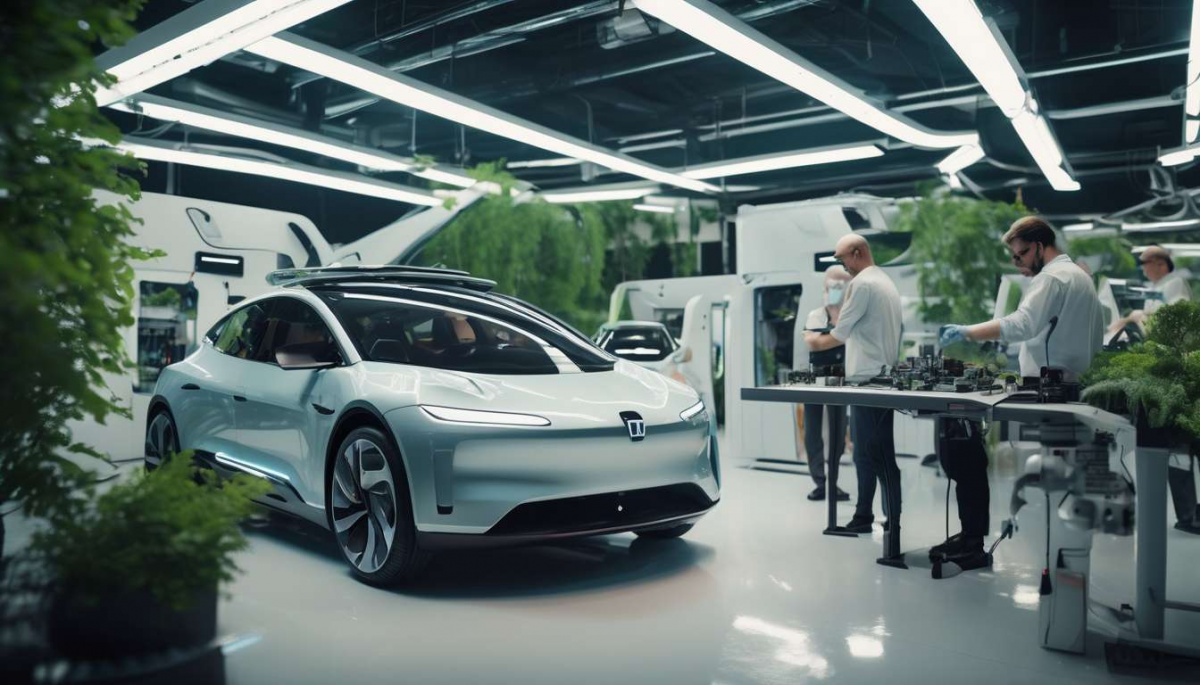
The surge in demand for electric vehicles is driven by several factors:
- Technological improvements, such as increases in battery efficiency and range
- Heightened consumer awareness of environmental concerns
Industry analysts predict that by 2030, EVs will dominate new car sales, accounting for nearly half of all vehicle purchases globally.
To facilitate this transition, a combination of efforts is being rolled out by governments and private sectors worldwide:
- Financial subsidies
- Infrastructure investments in charging networks
- Research incentives
These efforts aim to overcome challenges associated with widespread EV adoption, such as:
- High production costs
- Limited consumer knowledge
- The need for an expansive, reliable charging infrastructure
For those looking to navigate the evolving landscape of electric vehicles and infrastructure, you can find your help online with numerous resources and guides available to support your transition to sustainable transportation.
Governmental Support and Incentives
Governments worldwide are implementing various support measures and incentives to bolster the automotive industry amid evolving economic and environmental challenges. These initiatives aim to facilitate technological innovation while addressing adoption challenges associated with transitioning to sustainable vehicle options.
Financial incentives are a key component of this strategy, and they include:
-
Tax credits and rebates for consumers and manufacturers to encourage the purchase and production of eco-friendly vehicles.
-
Grants and subsidies allocated to research and development, fostering advancements in vehicle technology that meet stringent environmental standards.
Regulatory frameworks are also being adapted to enhance infrastructure, such as:
- Charging stations for electric vehicles, thereby mitigating adoption challenges linked to insufficient support systems.
These measures create a conducive environment for the automotive industry to thrive, uniting stakeholders in a shared goal of sustainable progress. By prioritizing government incentives, nations demonstrate their commitment to fostering innovation and ensuring the industry’s alignment with global environmental objectives.
This collaborative approach underscores the importance of collective action in driving meaningful change.
Technological Advances Driving EV Growth
Several groundbreaking technological advances are accelerating the growth of electric vehicles (EVs), reshaping the automotive landscape.
Technological Innovation:
- The development of more efficient batteries is enhancing range and reducing charging times.
- These improvements address significant adoption challenges.
These advancements foster a sense of community among early adopters and potential consumers, creating a shared vision for a sustainable future.
Government Incentives:
- Government support plays a crucial role in this transformation by backing research and development initiatives that drive further innovation.
- Incentives include:
- Tax credits
- Rebates
- Grants
These financial supports make EVs more accessible to the masses, facilitating technological progress and encouraging widespread adoption, thus mitigating barriers to entry.
Improvements in Infrastructure:
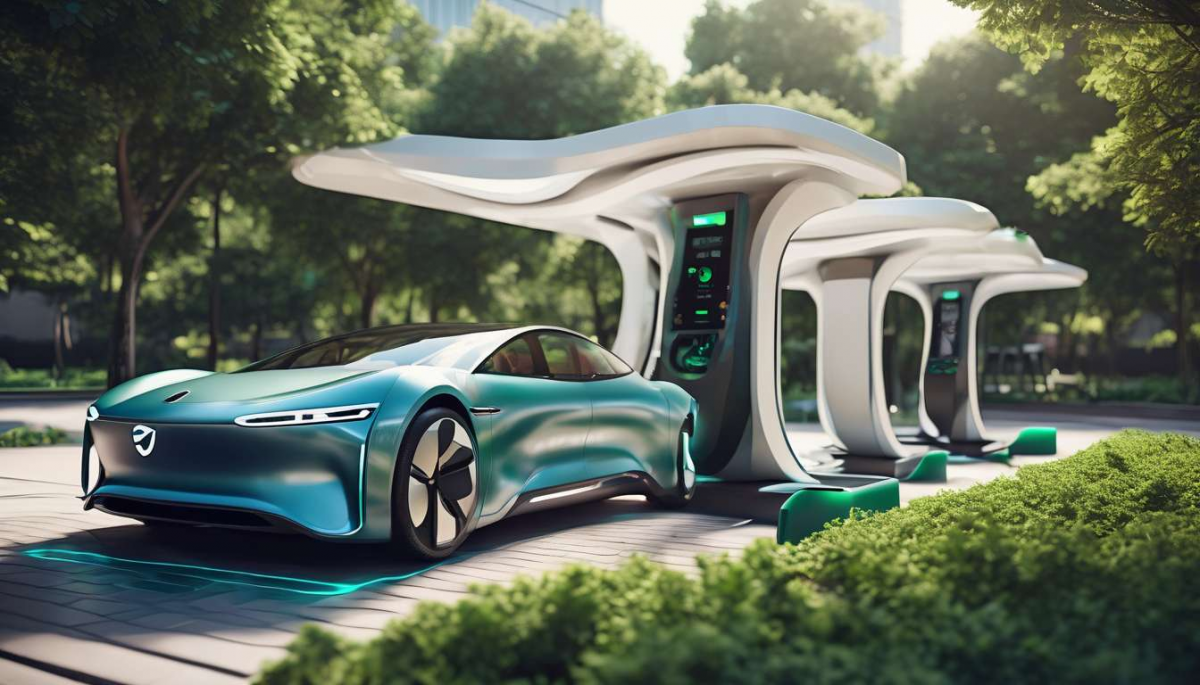
- Enhancements in charging infrastructure and smart grid technology are pivotal in overcoming logistical challenges.
- The integration of these systems ensures seamless energy distribution, reinforcing the reliability of EVs as a viable alternative to traditional vehicles.
Collectively, these factors contribute to the rapid progression of electric vehicles, uniting communities in their pursuit of environmental sustainability.
Industry Predictions for EV Market
The electric vehicle market is expected to experience substantial growth in the coming years, driven by advancements in technology and supportive policies.
Government incentives play a crucial role in accelerating the adoption of electric vehicles (EVs) by:
- Making them more accessible to consumers.
- Fostering a sense of community among environmentally conscious individuals and businesses.
These incentives, coupled with:
- Decreasing battery costs.
- Improvements in charging infrastructure.
Together, these factors position the EV market for a significant expansion.
Technological innovation remains a key factor in this evolution. Ongoing advancements enhance:
- Vehicle performance.
- Range.
- Safety.
Adoption challenges persist, including:
- The need for widespread charging networks.
- Overcoming consumer hesitancy towards new technology.
Addressing these challenges requires collaborative efforts from:
- Industry stakeholders.
- Policymakers.
- Consumers.
Forecasts suggest that the EV market will capture a significant share of the global automotive landscape as technological and policy developments continue to align.
This growth is expected to create:
- New opportunities for industries.
- A sense of belonging within a sustainable future.
Global Efforts to Promote EV Adoption
Numerous countries worldwide are actively implementing strategies to boost electric vehicle adoption and reduce carbon emissions.
Government incentives play a crucial role in this global effort by:
- Providing financial support
- Offering tax breaks
- Giving rebates
These measures make electric vehicles (EVs) more affordable for consumers. The incentives are designed to accelerate the transition from traditional combustion engines to cleaner alternatives, fostering a sense of collective responsibility towards environmental sustainability.
Technological innovation is another pivotal factor driving EV adoption. Advancements in:
- Battery technology
- Charging infrastructure
- Energy efficiency
are making electric vehicles more appealing to a broader audience. These innovations address range anxiety and reduce the total cost of ownership, contributing to wider acceptance.
Despite these efforts, adoption challenges persist. Key hurdles include:
- Infrastructure development
- High initial costs
- Consumer awareness
However, collaborative initiatives between governments, industry stakeholders, and researchers are underway to overcome these obstacles. These efforts aim to ensure that the journey towards widespread EV adoption is inclusive and sustainable, aligning with global climate goals.
Challenges in Transition to EVs
Transitioning to electric vehicles presents a complex array of challenges that require strategic planning and collaboration across sectors.
Government Incentives:
- Government incentives play a crucial role in facilitating this shift by making electric vehicles more accessible to consumers.
- The effectiveness of these incentives varies globally, influenced by economic conditions and policy frameworks.
Technological Innovation:
- Essential for overcoming hurdles related to:
- Battery efficiency
- Charging infrastructure
- Vehicle range
- Despite advancements, challenges to widespread adoption persist, including:
- High initial cost of electric vehicles
- Consumer apprehension regarding new technologies
Industry Collaboration:
- The automotive industry must address these challenges by fostering partnerships between:
- Manufacturers
- Governments
- Technology developers
Infrastructure Development:
- Establishing a cohesive infrastructure for electric vehicle charging is imperative to:
- Alleviate range anxiety
- Enhance consumer confidence
Investment in R&D:
- Increased investment in research and development is necessary to:
- Drive down costs
- Improve vehicle performance
By uniting stakeholders and aligning objectives, the transition to electric vehicles can be accelerated, promoting sustainability and economic growth within the industry.
Strategies for Overcoming EV Adoption Barriers
Overcoming barriers to electric vehicle adoption requires a multifaceted approach that combines policy support, technological advancements, and consumer education.
Government incentives play a critical role in this strategy by:
- Offering tax credits and rebates to reduce the upfront costs of electric vehicles (EVs).
- Making EVs more accessible to a broader audience.
- Encouraging a sense of community among environmentally conscious consumers.
Technological innovation is equally essential. Advancements in battery technology and charging infrastructure can address adoption challenges related to:
- Range anxiety.
- Charging times.
Enhanced battery efficiency and the expansion of fast-charging networks contribute to a more seamless transition for potential EV owners.
Consumer education is vital in:
- Dispelling misconceptions about EVs.
- Highlighting their long-term benefits, such as reduced emissions and lower maintenance costs.
By fostering a collective understanding of the advantages of EVs, the industry can promote a shared vision for a sustainable future. This collective effort ensures that the transition to electric mobility becomes an inclusive and successful endeavor.
